Transforming the Brand to Support Growth,
Scale and Global Expansion
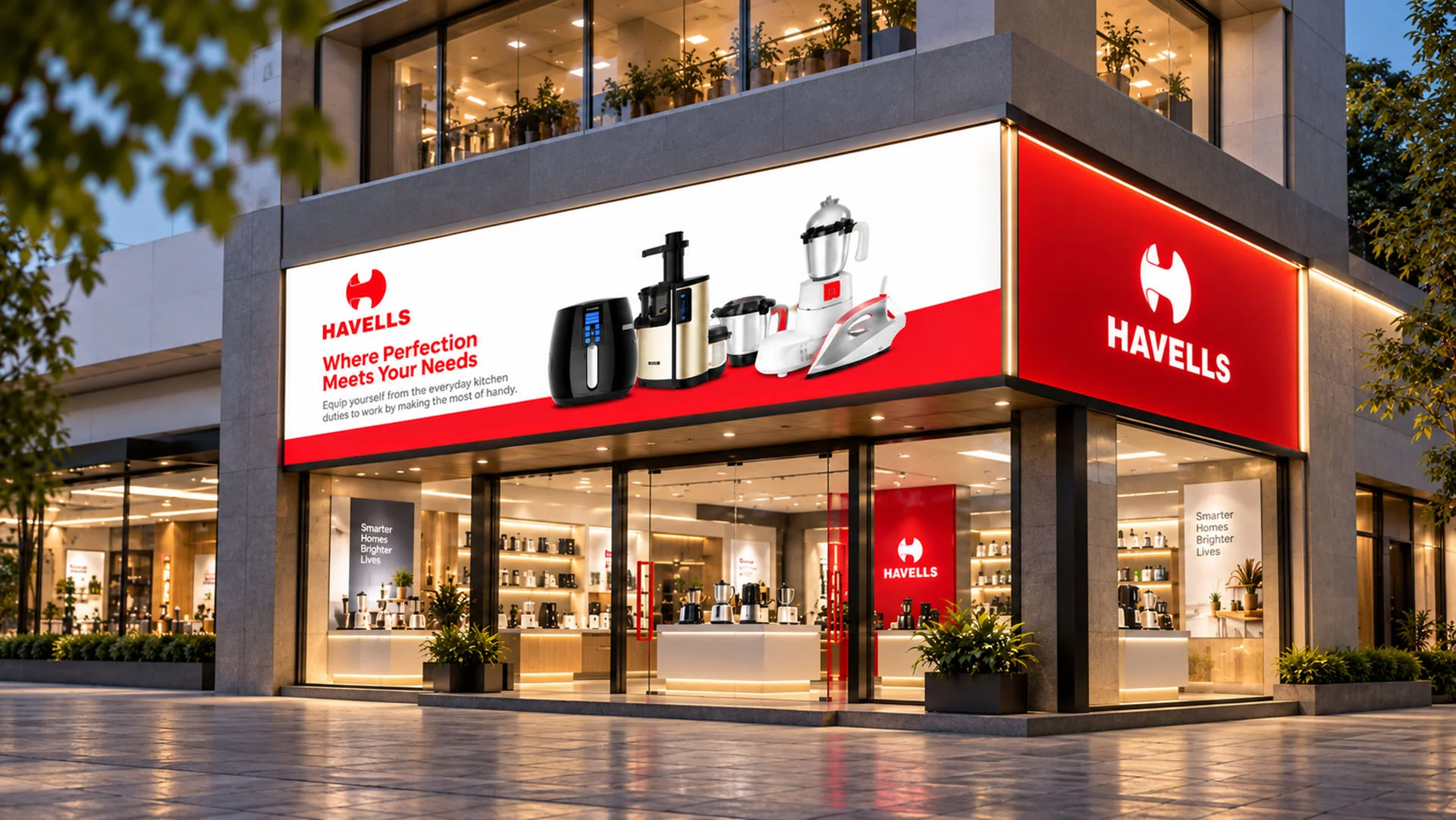
Fragmented brand meaning, duplicated effort, inconsistent customer experiences and rising costs of building and maintaining the brand across the ecosystem.
The business challenge
Havells was entering a different phase of its business evolution. From a strong electrical-products company, it was building a broader portfolio across categories and moving towards a more global brand proposition.
The visible brief was a brand transformation.
The hidden business brief was more fundamental: As the portfolio expanded, the business had to manage multiple categories, customer segments, channels, and market contexts. Each created opportunities for growth, but also increased the risk of fragmented brand meaning, duplicated effort, inconsistent customer experiences and rising costs of building and maintaining the brand across the ecosystem.
The underlying business issues:
- How to create stronger differentiation in increasingly competitive categories.
- How to increase the value of the master brand across multiple product categories rather than building each category independently.
- How to reduce decision friction when customers encounter a growing portfolio across multiple channels.
- How to create consistency at scale across retail, dealers, packaging, digital and communication.
- How to extract greater value from brand investment by creating reusable systems instead of repeatedly solving the same problem.
- How to build a brand platform capable of supporting future categories, markets, and global expansion.
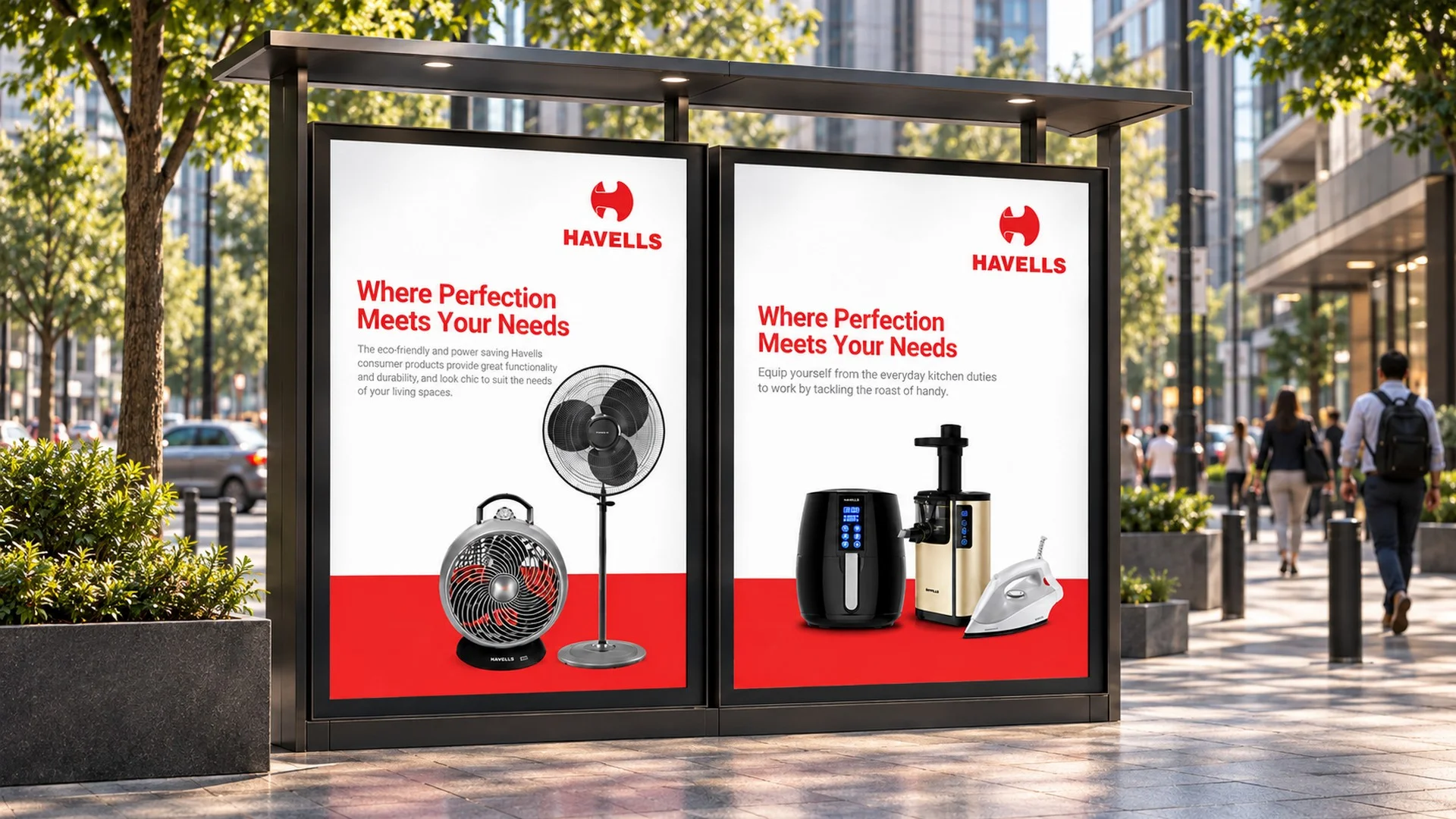
Creating a unified visual and experiential language across packaging, retail environments, dealer networks, digital platforms, marketing communication, and internal touchpoints.
The transformation
Lokusdesign decoded the hidden business problem before defining the design response. We mapped the portfolio, category dynamics, customer behaviour, existing brand experience, and multiple business touchpoints to identify where brand complexity created commercial and operational friction.
From this, we established a strategic direction around leadership, innovation, trust and modernity, and translated it into a complete transformation: Business Strategy → Brand Strategy → Brand Architecture → Identity → Experience → Scalable Design System
We transformed the brand beyond the logo, creating a unified visual and experiential language across packaging, retail environments, dealer networks, digital platforms, marketing communication, and internal touchpoints.
The economics output
- CAC down
- A sharper proposition and more coherent experience made the brand easier to recognise, understand, and navigate across an increasingly complex portfolio. Greater clarity → lower decision friction → less explanation → stronger confidence → greater acquisition efficiency
- CapEx down
- A reusable identity and experience system meant that every new category, channel or market did not require a new strategic and design solution. One platform → multiple applications → greater reuse → less reinvention → more productive brand investment
- OpEx down
- Systematised guidelines, assets and experience principles reduced repeated bespoke development and simplified implementation across internal teams, agencies, dealers, and other partners. Standardisation → faster deployment → lower dependency → lower operating effort
- Scale up
- The architecture separated the master brand’s enduring elements from those that needed to evolve. Stable core → flexible expression → new categories → new markets → scalable global brand experience
Stronger business platform, designed to make the master brand more valuable, customer decisions easier, brand investment more productive, and future growth more economical.
Business result
Lokusdesign transformed Havells from a fragmented set of brand touchpoints into a coherent, scalable global brand experience. The outcome was not simply a more contemporary Havells. It was a stronger business platform, designed to make the master brand more valuable, customer decisions easier, brand investment more productive, and future growth more economical.
Lokusdesign’s role was not to redesign the brand. It was to decode the business problem behind the brief and use design to change the economics of how the brand could grow.